Section 1: Anatomy of a Mechanical Epidemic: Why the Peugeot XU7 Engine Is Prone to Head Gasket Failure
1.1. Introduction to a Widespread Issue
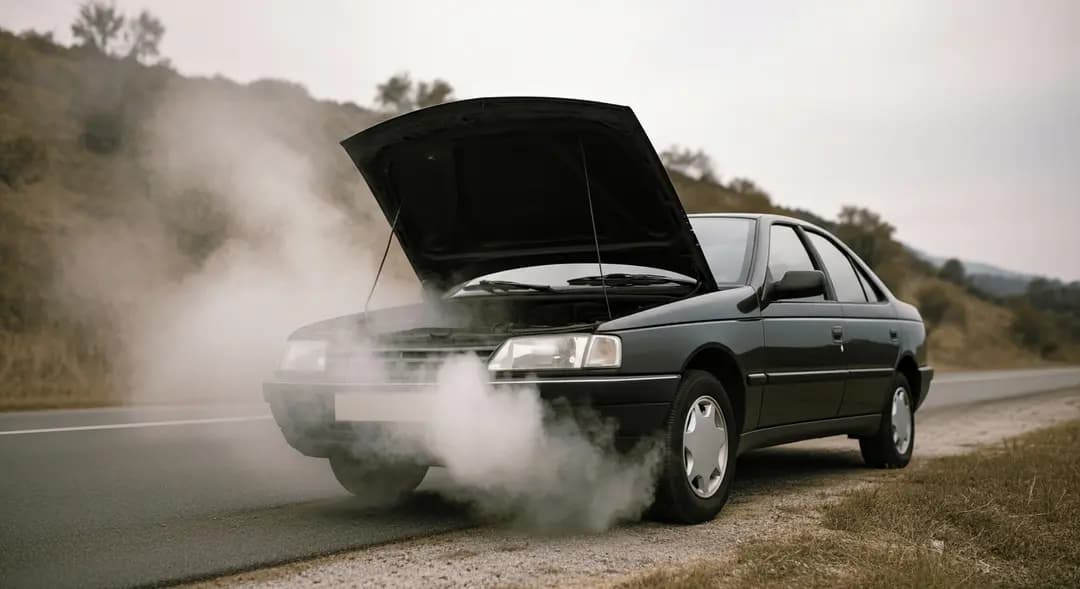
Head gasket failure is a chronic, costly, and all-too-familiar ordeal for owners of popular vehicles equipped with the XU7 engine, such as the Peugeot 405, Peugeot Pars, and IKCO Samand. This issue is so prevalent among high-mileage drivers—such as taxi operators—that it has effectively become a predictable operating expense, with some replacing head gaskets more than once a year. This frequency confirms that head gasket failure in the XU7 is not a series of isolated incidents, but rather a systemic vulnerability.
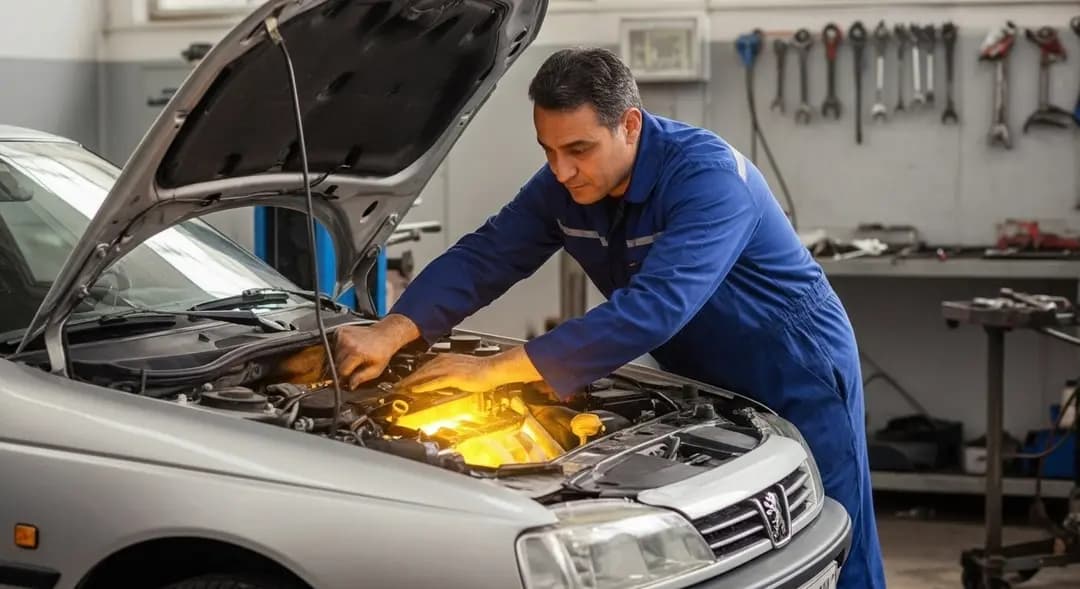
Many owners assume this problem stems solely from poor maintenance or counterfeit spare parts. While those factors play a role, the root cause lies deeper within the architecture and engineering of the XU7 engine block and its cooling layout. This report provides a technical analysis of these structural limitations and outlines actionable solutions—from preventive upgrades to professional repairs using OEM-grade components.
1.2. Challenging Architecture of the XU7 Engine
Head gasket failure in the XU7 engine is the direct result of several intersecting design features that make the unit inherently sensitive to thermal stress:
Cylinder Block Hotspots: A significant design limitation in the XU7 block is the tight spacing between Cylinders 2 and 3. This narrow wall creates a concentrated thermal "hotspot" where heat dissipation is restricted. If the cooling system experiences any drop in efficiency, localized heat spikes rapidly damage the gasket media in this zone.
Wet Sleeve / Wet Liner Design: The XU7 utilizes wet cylinder liners that remain in direct contact with engine coolant. These liners retain micro-clearances until the cylinder head is torqued down. This layout offers less structural rigidity against high combustion pressures than solid-deck blocks, making the liners susceptible to micro-movements under heavy load, which degrades the head gasket’s seal over time.
Clamping Pressure Distribution: Standard head bolts on the XU7 engine often struggle to maintain uniform clamping force across the deck surface. Because a significant portion of applied torque is lost to thread and under-head friction, the net clamping force may fall short under extreme heat spikes, particularly around center hotspots.
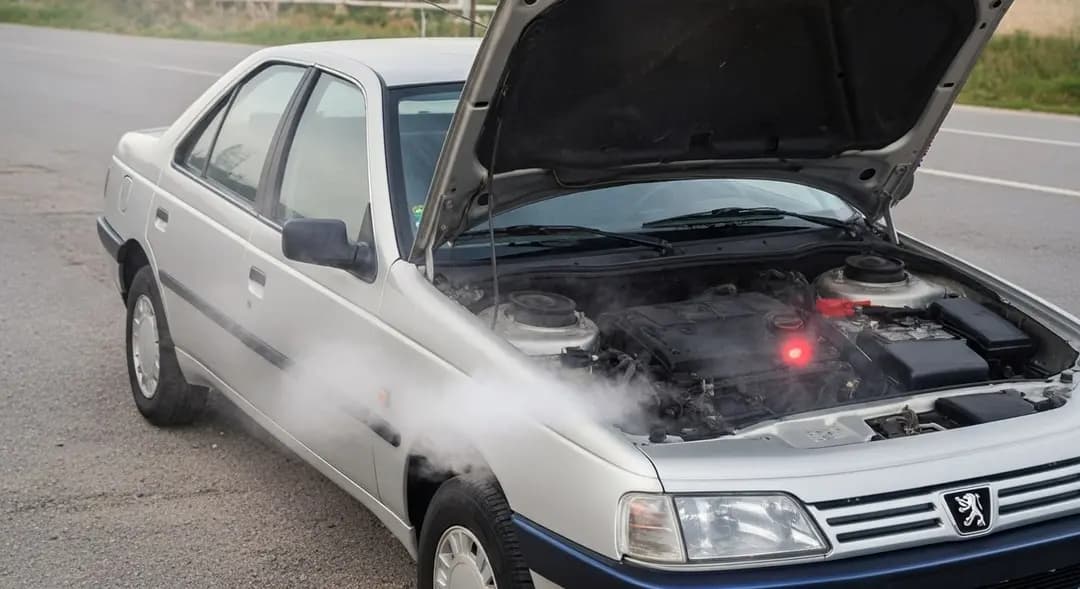
Closed-Loop Cooling System Without Expansion Tank: In original configurations like the Peugeot 405, the cooling system operates as a closed loop without a dedicated expansion tank. Lacking a reservoir to manage fluid thermal expansion and automatically purge trapped air, the system is highly prone to airlocks. Small fluid losses or improper bleeding leave air pockets at the highest point of the circuit—the cylinder head—leading to localized boiling.
1.3. The Cascade Failure Model
Head gasket burnout rarely happens due to a single fault; it follows a cascading sequence of events:
[ Structural Vulnerabilities ] ──> [ Cooling Airlocks / Pressure Spikes ] ──> [ Overheating Triggers ] ──> [ Head Gasket Failure ]
Structural Vulnerabilities: The close cylinder spacing and wet liner configuration create an inherently heat-sensitive foundation.
Systemic Amplifiers: The lack of an expansion tank prevents self-bleeding, converting minor fluid loss into localized steam pockets.
Operational Triggers: The failure is ultimately tripped by secondary events, including:
Engine Overheating: Thermostat jams, water pump impeller degradation, cooling fan failure, or clogged radiator cores.
Entrapped Air: Air pockets around the cylinder head prevent coolant contact, causing rapid localized overheating.
Substandard Components & Fluids: Low-grade replacement gaskets lacking thermal resistance, poor-quality lubricants, or un-distilled tap water leading to mineral scaling.
Installation Errors & Driving Abuse: Uneven bolt torquing during previous repairs, aggressive cold-engine acceleration, or prolonged idling under heavy thermal load.
Section 2: Early Detection: Spotting Partial Head Gasket Failure Before Severe Damage
Detecting early warning signs allows you to address head gasket degradation before structural engine damage occurs.
2.1. Phase 1: Early Warning Indicators (Partial Sealing Loss)
Acoustic Signs:
Gurgling Sound Behind the Dashboard: A noticeable rushing or gurgling water sound during acceleration indicates air trapped within the heater core circuit—a primary sign of an airlocked cooling system.
Visual Indicators:
Unexplained Coolant Loss: Needing to top off coolant regularly without any visible external hose or radiator leaks typically indicates fluid escaping into the combustion chamber.
Radiator Bubbling (False Boiling): Removing the radiator cap on a completely cold engine and starting the vehicle allows you to check for continuous air bubbles, which signify combustion gases pushing past the gasket into the cooling jacket.
Milky Oil Emulsion: Coolant cross-contaminating the lubrication system produces a creamy, light-brown emulsion under the oil filler cap, on the dipstick, or inside the valve cover.
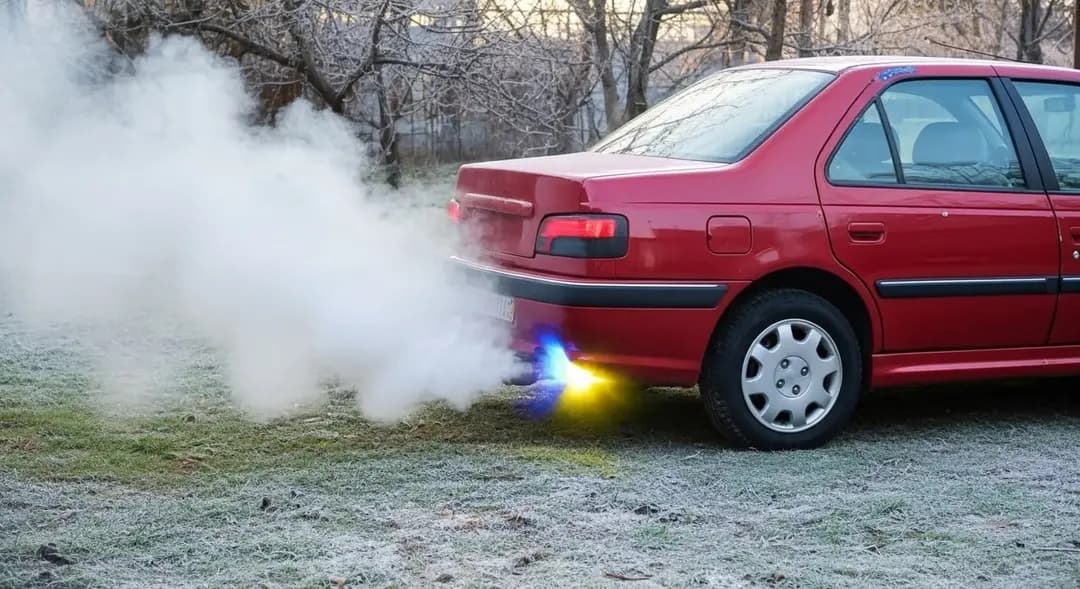
Persistent White Exhaust Smoke: Continuous white steam escaping the tailpipe after the engine has reached operating temperature points to coolant burning inside the cylinders.
Pressurized / Swollen Radiator Hoses: Combustion pressure leaking into the cooling jacket causes upper radiator hoses to become excessively hard or swollen.
Performance Symptoms:
Cold Start Misfires: Coolant seeping into the cylinders while parked causes misfires and rough idling for the first few seconds of a cold start until the fluid burns off.
Loss of Compression & Power: Compromised sealing across cylinder borders leads to reduced engine response and sluggish acceleration.
2.2. Phase 2: Severe Failure & Emergency Protocol
Rapid Overheating: The temperature needle spikes quickly into the red zone as coolant circulation breaks down completely.
Hydrolock Risk: If a large volume of coolant fills a cylinder, the piston cannot compress the liquid during its upstroke. Attempting to start or run an engine in this state can bend connecting rods, crack pistons, or damage the crankshaft.
Emergency Response Protocol:
If severe overheating occurs, pull over safely immediately. Do not shut off the engine instantly if coolant is still present, as stopping fluid flow suddenly can warp the cylinder head. Open the hood and spray water gently onto the radiator core (never directly onto the hot engine block) to reduce temperatures. Once the temperature gauge drops out of the critical zone, turn off the ignition and request roadside assistance.
Section 3: Prevention & Optimization Strategies for XU7 Engines
1.Tier 1: Smart Maintenance Standards:Low Cost / High Impact.
50/50 Coolant Ratio: Always use a 50/50 mix of high-grade antifreeze and distilled water. Tap water causes mineral scaling that clogs narrow cooling passages.
Periodic Fluid Flushing: Replace coolant every 2 years or 40,000 km to maintain corrosion inhibitors.
Driving Habits: Avoid running high RPMs (>4000) under heavy loads for prolonged periods. Allow the engine to idle for 1–2 minutes after hard highway driving to bleed off heat before shutting down.
2.Tier 2: Cooling System Upgrades:Targeted Modifications.
Expansion Tank Retrofit: Installing an external expansion tank (such as Peugeot 206 or Pride style) provides automatic air bleeding, pressure regulation via a cap valve, and easy fluid level checks.
Dual-Core Radiators: Upgrading to a high-capacity dual-core radiator increases fluid surface area for improved heat rejection in warm climates.
High-Flow Water Pump & Fans: Installing reinforced-impeller water pumps and high-efficiency fan blades prevents heat buildup during heavy traffic.
3.Tier 3: Structural Engineering Solutions:Maximum Reliability.
Block Guard / Cylinder Liner Fixture: Precision aluminum block guards fit into the open deck space around the wet liners. This brace eliminates liner movement under load, stabilizing the clamping surface for the head gasket.
Section 4: Repair Guide: Component Selection & Assembly Standards
4.1. Head Gasket Selection & Thickness Identification
Selecting the correct gasket thickness depends on the amount of material removed from the cylinder head during resurfacing (skimming):
Standard Gasket (No Notch / Hole): Used for brand-new or unmachined cylinder heads.
Single-Hole Gasket (First Repair): Used after an initial standard head resurfacing to restore original compression ratios.
Two-Hole Gasket (Second Repair): Used when additional material has been machined off during a second resurfacing.
| Feature | Composite Gasket | Multi-Layer Steel (MLS) | Copper Gasket |
| Material Base | Compressed fiber with metal fire rings | Multi-layered spring steel with polymer coatings | Pure copper sheet / alloy |
| Key Advantage | Lower cost, conforms easily | Exceptional pressure & heat resistance | High thermal conductivity |
| Key Limitation | Lower thermal endurance | Requires smooth deck surfaces | Requires precise custom installation |
| Recommendation | Short-term economy repairs | Best choice for long-term reliability (KIEK Auto Parts) | High-boost / motorsports applications |
4.2. Torque Protocol and Sealant Warning
Deck Surface Cleaning: Mating surfaces on both the engine block and cylinder head must be completely free of oil, carbon deposits, and old gasket residue.
Precision Torquing: Head bolts must be tightened in a spiral pattern (center to outside) in multiple incremental stages using a calibrated torque wrench.
Avoid Supplementary Sealants: Modern Multi-Layer Steel (MLS) gaskets feature specialized elastomeric coatings. Applying additional liquid gasket sealants can react with these coatings and clog narrow oil feed passages.