A blown head gasket is one of those automotive disasters that—once experienced—keeps your eyes permanently glued to the temperature gauge and exhaust pipe! In this brief guide, we break down the symptoms, root causes, and practical preventive strategies to keep your head gasket intact.
What Is a Blown Head Gasket?
To understand the concept, imagine a high-precision seal sandwiched between the cylinder head and the engine block. Its job is to isolate and seal high combustion pressures, coolant passages, and oil galleries.
If this seal (the head gasket) degrades, burns, or breaches, that vital barrier is lost.
The immediate consequences include fluid cross-contamination (coolant and oil mixing), loss of cylinder compression, overheating, and ultimately a hefty repair bill at the auto shop.
Key Symptoms of a Blown Head Gasket
Head gasket failure is rarely instantaneous—it usually displays warning signs. Recognizing these early symptoms allows you to save your engine before catastrophic failure strikes:
Common Warning Signs:
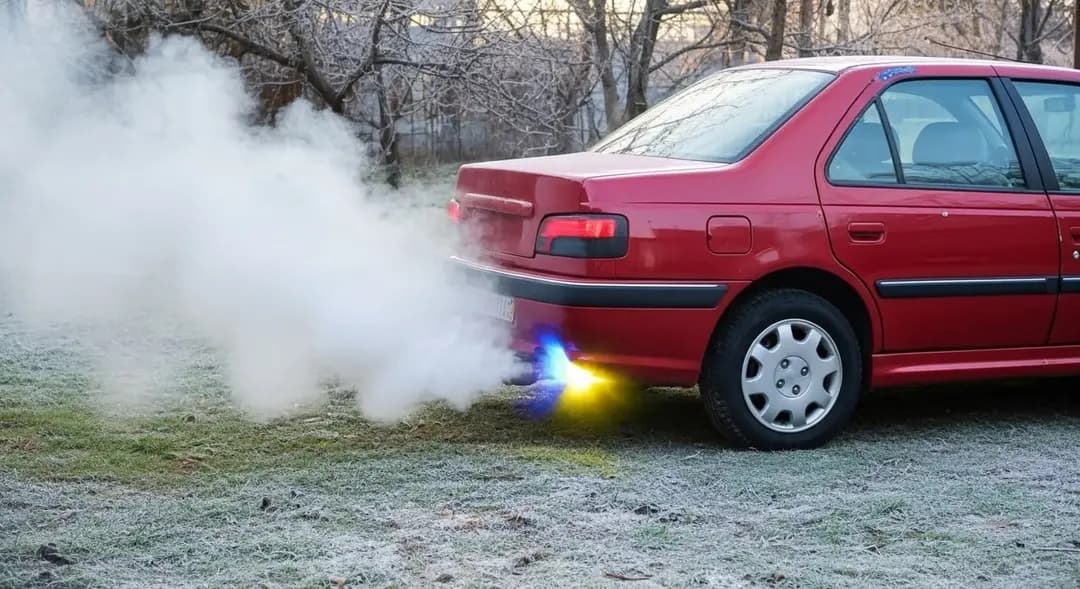
White Exhaust Smoke: Thick white smoke billows from the tailpipe as coolant leaks into the combustion chamber and burns.
Milky Oil (Frothing): A milky, chocolate-milk-like sludge visible on the oil filler cap or dipstick indicates coolant cross-contamination with engine oil.
Persistent Coolant Loss: The coolant reservoir level drops continuously with no visible external hose or radiator leaks.
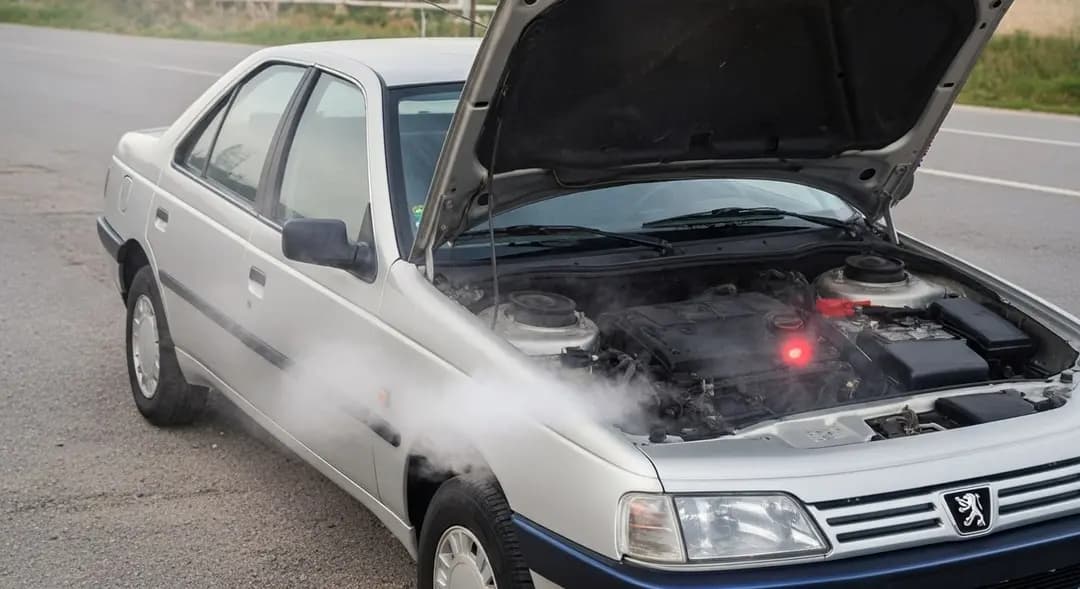
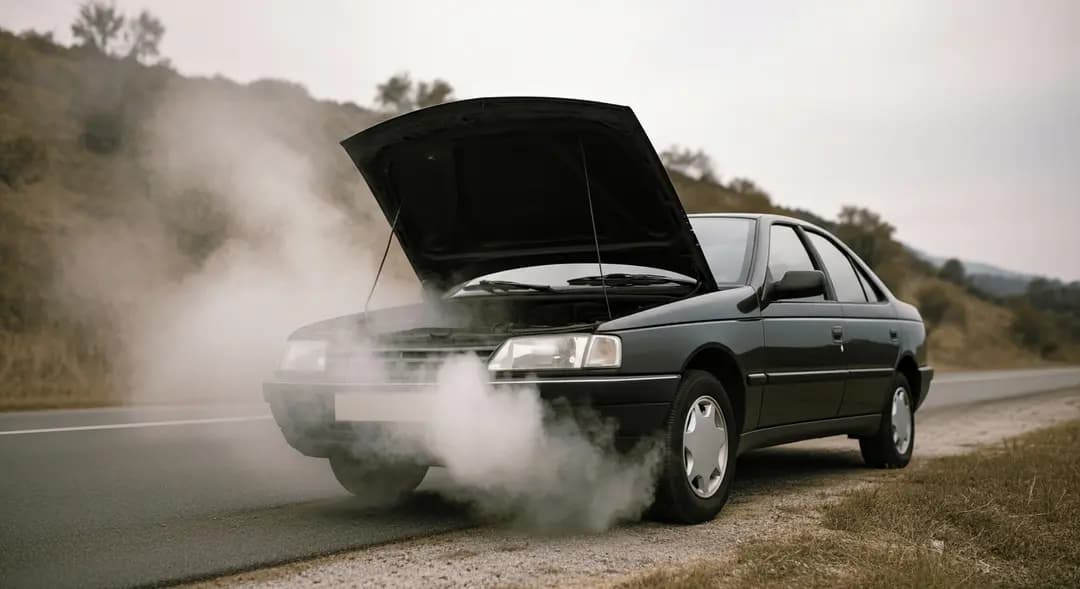
Rapid Engine Overheating: The engine temperature spikes quickly into the red zone under normal driving conditions.
Engine Power Drop & Hard Starting: Loss of cylinder compression leads to noticeable power loss, misfires, and difficult cold starts.
Excessive Cooling Hose Pressure: Radiator hoses become unusually hard or swollen due to combustion gases pressurizing the cooling jacket.
Note: Observing even a single symptom warrants immediate inspection. Observing multiple symptoms simultaneously indicates advanced failure.
Causes & Preventive Solutions
This summary matrix outlines the primary drivers of head gasket failure alongside actionable preventive solutions to avoid costly engine overhauls:
Root Cause | Problem Description | Recommended Solution |
Severe Engine Overheating | Extreme thermal loads warp the cylinder head deck, unevenly clamping and crushing the gasket. | Inspect thermostat, cooling fan, and coolant levels regularly; always use high-grade antifreeze. |
Substandard Gasket Materials | Inferior, single-layer, or counterfeit gaskets fail under normal operating temperatures and pressure spikes. | Install genuine Multi-Layer Steel (MLS) head gaskets from reputable brands like KIEK AUTO PARTS. |
Aggressive Driving Habits | Hard acceleration on a cold engine or driving while the engine is running hot accelerates gasket breakdown. | Drive smoothly, monitor temperature gauges, and allow proper engine warmup in cold weather. |
Improper Installation | Incorrect head bolt torque sequences or uneven cylinder head surface machining cause uneven sealing pressure. | Entrust head gasket replacement to certified technicians using calibrated torque wrenches and angle gauges. |
CNG Fuel Conversion | CNG burns at higher flame temperatures than petrol, increasing thermal stress on the cylinder head and seal. | Calibrate CNG fuel systems accurately, avoid heavy engine loads, and use high-thermal-capacity coolant additives. |
Does Replacing a Blown Head Gasket Always Work?
The short answer is: Not always.
If caught in the early stages before mating metal components sustain structural damage, replacing the gasket and resurfacing (skimming) the cylinder head will resolve the issue.
However, if the engine was driven extensively while overheating—where severe oil-coolant mixing occurred or abnormal metallic knocking sounds developed—gasket replacement alone will not suffice. In such cases, warped block decks, cracked cylinder heads, or spun main bearings may require a complete engine rebuild.
Does Brand Quality Matter?
Yes, significantly.
The market is flooded with low-cost gaskets that deteriorate within months. Professional mechanics recommend premium automotive sealing brands like KIEK AUTO PARTS for heavy-duty applications.
Advantages of Premium OEM-Grade Head Gaskets:
Multi-Layer Steel (MLS) Construction: Engineered with high-tensile spring steel layers rated to withstand peak temperatures exceeding 400°C.
Precision Elastomeric Coating: Features advanced surface coatings to seal micro-imperfections on the head deck and prevent fluid weeping.
Dual-Fuel Optimization: High thermal resistance makes them ideal for both high-compression petrol and CNG/LPG engines.
Rigorous Quality Standards: Manufactured under international quality controls with comprehensive warranty support.
Simple Steps to Prevent Head Gasket Failure
Follow these preventive maintenance rules to preserve your engine’s head gasket:
Monitor the Temperature Gauge: If the needle climbs into the high range, safely pull over and shut off the engine immediately.
Use Premium Coolant/Antifreeze: Maintain the correct 50/50 ratio of distilled water and high-grade antifreeze—never run plain tap water.
Verify Radiator Fan Operation: Ensure high/low fan speeds engage correctly when the engine reaches operating temperature.
Schedule Periodic Inspections: Have a mechanic inspect the cooling system, belts, and hoses every 30,000 km.
Address Engine Roughness: Investigate sudden changes in engine sound, power loss, or hard starting without delay.
Conclusion
Head gasket failure compromises overall engine operation and quickly cascades into catastrophic structural damage, such as spun bearings or cracked head castings. Early symptom identification, regular cooling system maintenance, and using high-grade replacement seals are the most reliable ways to protect your vehicle.
Recommended Future Reading
How to Detect a Warped Cylinder Head: Diagnostic Methods and Tolerances
Comparative Analysis: Multi-Layer Steel (MLS) vs. Composite Head Gaskets
Is CNG Hard on Your Engine? Thermal Stress and Valve Seat Wear Explained