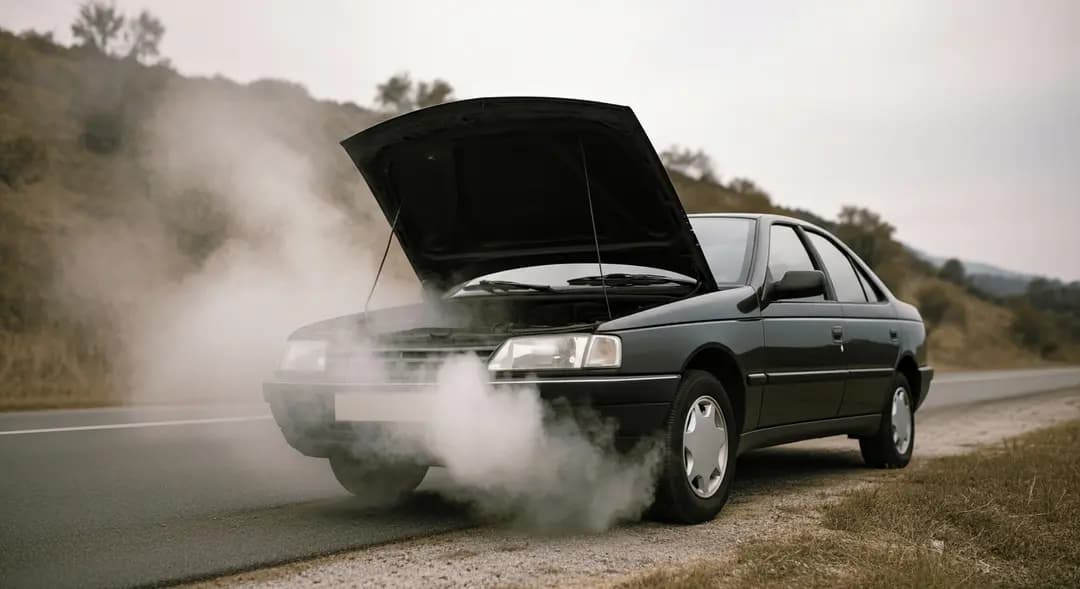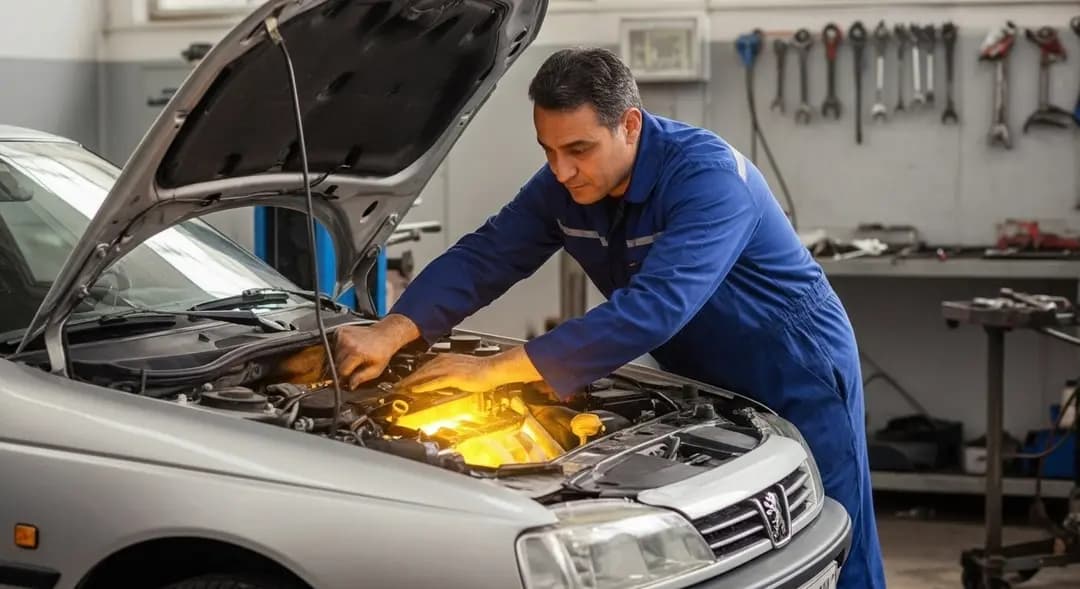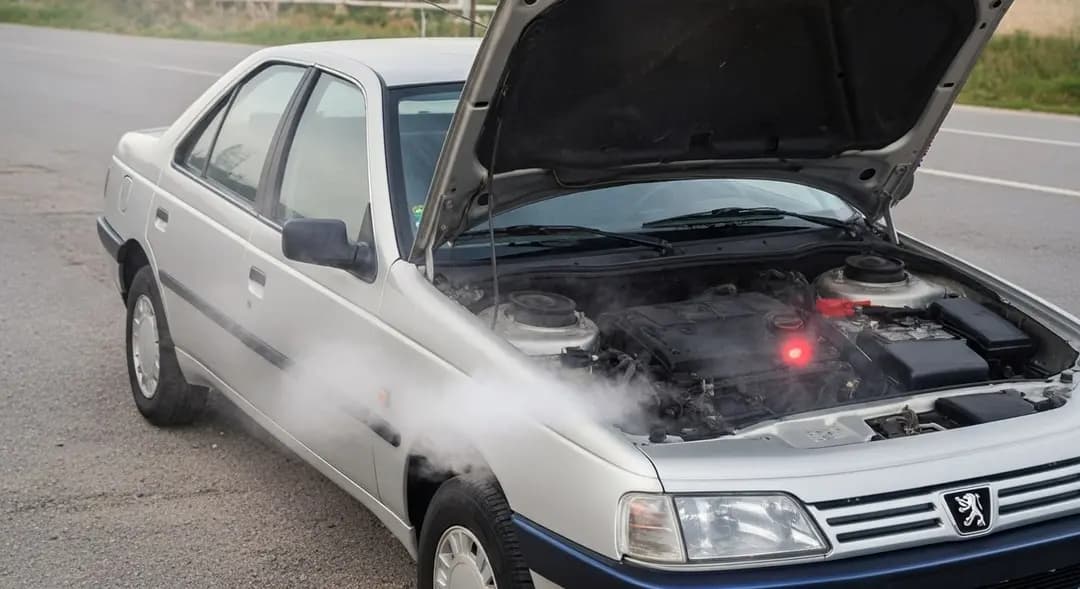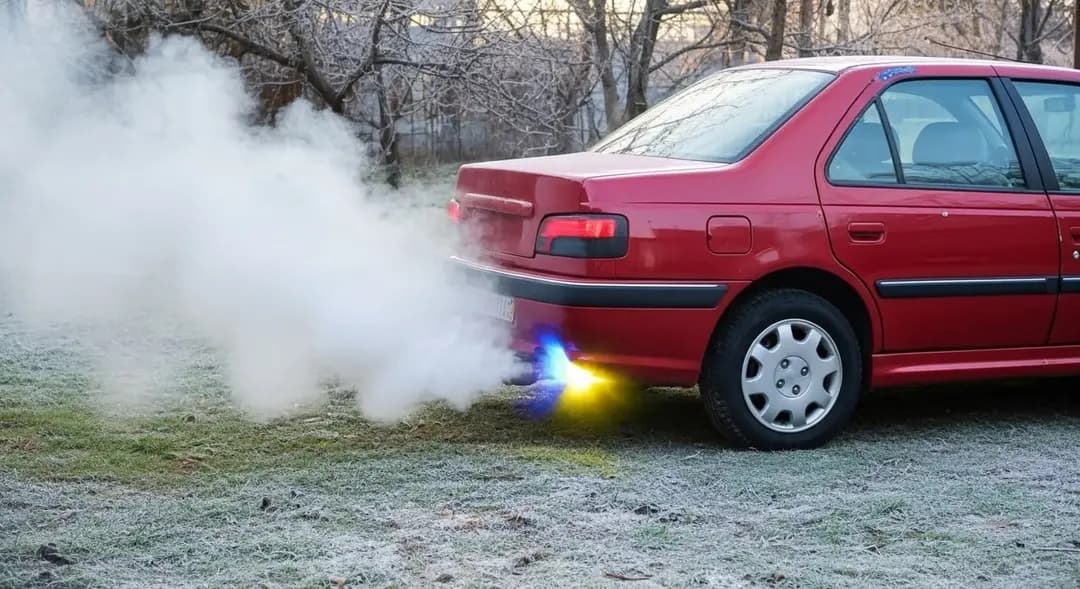
Among domestic Iranian vehicles, the Peugeot 405 is notorious for recurring head gasket failure. But why is this issue uniquely frequent in the Peugeot 405? Does it stem from engine layout, driver operating habits, or spare part quality?
This technical breakdown examines the mechanics behind Peugeot 405 head gasket degradation and offers actionable solutions to mitigate it.
Understanding Head Gasket Failure Before Damage Occurs
Many drivers assume head gasket failure happens instantaneously without warning. In reality, it is usually a gradual process with early warning signs. Positioned between the engine block deck and the cylinder head, the gasket maintains critical seals between combustion pressures, oil passages, and cooling galleries.
Common Warning Symptoms in the Peugeot 405:
Unusual Temperature Spikes: Engine overheating, particularly under high load or uphill driving.
Continuous Radiator Fan Operation: Fans running non-stop as the system struggles to shed heat.
White Exhaust Steam: Continuous dense white exhaust vapor, indicating coolant entering the combustion chamber.
Loss of Engine Compression & Power: Sluggish throttle response and acceleration loss.
External Oil Leaks: Seepage around the cylinder head mating seam.
Coolant & Oil Cross-Contamination: A milky-brown emulsion appearing in the oil filler cap or cooling expansion reservoir.
Unexplained Coolant Loss: Consistently dropping coolant levels without external hose or radiator leaks.
Ignoring these early indicators leads rapidly to severe block and head damage.
Peugeot 405 Engine Architecture: A Vulnerable Platform?
The susceptibility of the Peugeot 405 to head gasket failure is not tied to a single flaw, but to a combination of engine design, material thermal properties, and cooling limitations.
The use of high-conductivity aluminum engine blocks means any cooling system failure causes rapid thermal expansion, leading to cylinder head warpage. Furthermore, the prevalence of substandard aftermarket gaskets reduces the operational lifespan of the head sealing surface.
Driver Operating Habits: A Crucial Factor in Gasket Lifespan
Data from service center vehicle overhauls demonstrates that driving and maintenance habits play a greater role in gasket failure than initial factory design alone.
High-Risk Driver Behaviors:
Aggressive Driving on Cold Engines: High RPMs before reaching operating temperature cause uneven thermal expansion.
Ignoring Temperature Gauges: Continuing to drive while the temperature gauge creeps toward the critical zone.
Omitting Antifreeze/Coolant Mix: Running straight tap water causes internal scaling, corrosion, and localized boiling.
Neglecting Cooling Maintenance: Delaying repairs for failing thermostats, degraded water pumps, or faulty fan switches.
Root Causes and Preventive Protocols
| Key Risk Factor | Problem Description | Recommended Prevention / Solution |
| Excessive Thermal Load | Cooling system breakdown causing severe heat spikes | Periodically inspect cooling fans, thermostats, and coolant quality |
| Substandard Gasket Quality | Failure to withstand cylinder pressure and peak heat | Install multi-layer steel (MLS) gaskets (e.g., KIEK Auto Parts) |
| Improper Installation | Uneven bolt torque distribution across the head surface | Use professional technicians who employ calibrated torque wrenches |
| CNG Fuel Usage | Higher combustion temperatures creating extra thermal stress | Ensure precise gas ECU tuning and avoid high-RPM driving on CNG mode |
Professional Overhauls: Beyond Gasket Replacement
A qualified mechanic does not simply swap out a burned gasket. Installing a new gasket onto a damaged engine results in short-term fixes and recurring failures. Professional repair protocols require:
Precision Deck Machining: Checking the cylinder head surface for warpage and skimming as necessary.
Cooling Gallery Flushing: Cleaning out mineral deposits and sludge from internal block passages.
Pressure Testing: Testing the head for hidden micro-cracks before reassembly.
Torque Specification Control: Torquing cylinder head bolts using calibrated instruments according to factory sequence and specs.
Bi-Fuel (CNG) Vehicles: High Temperature Vulnerabilities
Vehicles operating on Compressed Natural Gas (CNG) run significantly hotter than petrol engines due to higher combustion temperatures. While CNG reduces fuel operating costs, it increases thermal loading on cylinder head components.
Best Practices for CNG Peugeot 405 Owners:
Ensure accurate gas ECU air-fuel mixture calibration.
Avoid heavy load or high-RPM driving while in CNG mode.
Use premium heat-resistant antifreeze/coolant formulations.
Regularly monitor the engine temperature gauge and cooling fan operations.
The Vital Role of Gasket Manufacturing Quality
Though thin, the head gasket must withstand intense internal combustion pressures. Cheap, generic aftermarket gaskets are often manufactured using low-grade graphite or recycled alloys. These inferior seals lack uniform thickness, have weak interlayer bonding, and fail to accommodate normal cylinder thermal expansion.
Substandard Gasket ──> Thermal Deformation ──> Loss of Sealing ──> Coolant/Oil Mixing & Engine Damage
Consequences of Generic Aftermarket Gaskets:
Lifespan Under 6 Months: Structural deformation under heat cycling.
Low Thermal Threshold (<250°C): Disintegration under intense combustion temperatures (which exceed 350°C).
Asymmetrical Clamping Pressure: Non-uniform thickness leads to localized stress points, risking cylinder head cracking.
Conversely, engineered Multi-Layer Steel (MLS) options—such as KIEK Auto Parts MLS Gaskets—are manufactured under precise industrial stamping conditions using high-temperature resistant alloys to absorb repeated thermal expansions and combustion pressures reliably.
Conclusion
Preventing head gasket failure is far more cost-effective than engine overhauls. For Peugeot 405 owners, pairing proper driving habits and maintenance with certified repair procedures and high-grade gaskets—such as those from KIEK Auto Parts—ensures reliable performance and long-term engine protection.